Scalable Hydroponic Control
Project Overview
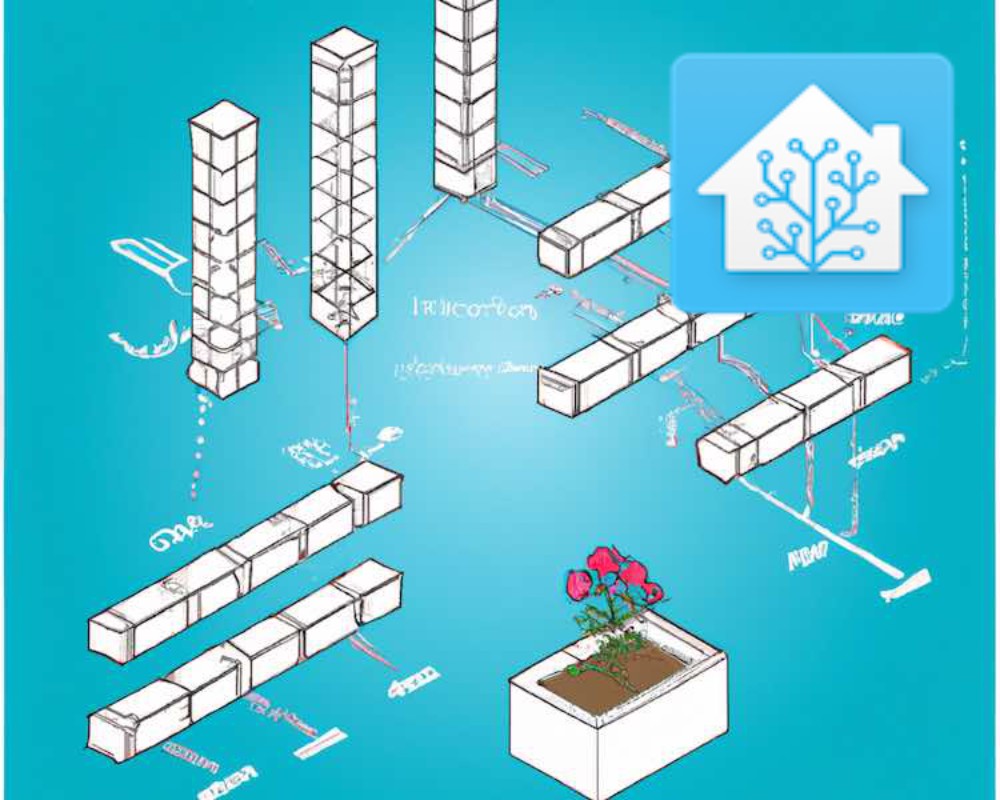
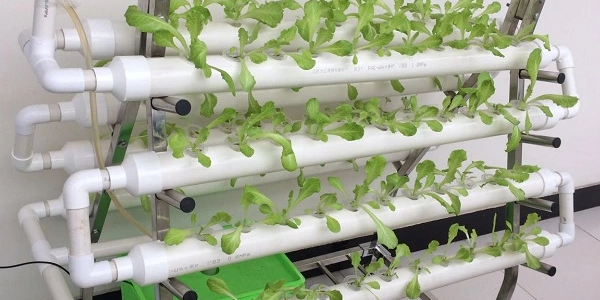
This project is an implementation of a fully automated and scalable hydroponic system. The system is able to be either wired (or wireless via WiFi) and is able to run off 12/24VDC solar and battery systems.
Implementation
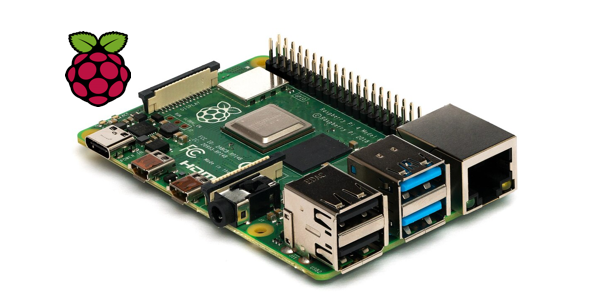
This project is built upon a Raspberry Pi 4 as a central control backbone. The Raspberry Pi is configured to run Docker. Containerised versions of HomeAssistant and Mosquitto MQTT server run on the Pi. The Pi requires voltage regulated 5VDC at surprisingly low current.
Sensors
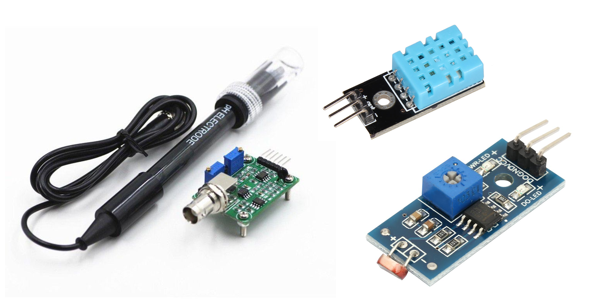
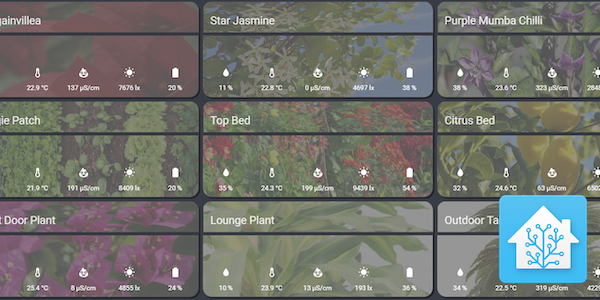
The systems uses Arduino-style digital sensors to monitor the entire setup. Sensors can connect directly to the GPIO pins on the Raspberry Pi. Remote sensors attach to ESP32-based boards that connect via WiFi to MQTT broker. Analog sensors connect to internal ADC on Arduino/ESP32.
- Temperature and Relative Humidity are measured using DHT11
- CO2 gas concentrations
- pH sensors for water
- moisture and water level sensors on reservoirs
- Ambient light sensors
- Motion sensors for pest control
Control
Physical control of growing conditions are automated based on a schedule. Information from sensors is also used to generate user alerts or implement remediation steps.
- Relay controlled 240V ventilation fans
- CO2 solenoid controlled gas cylinder
- relay controlled lighting
- relay controlled water pumps
There are many options to connect remote devices to the backbone - depending on requirements. WiFi, RF, IR or LoRaWan offer wireless connections with different range and line-of-sight issues. There are long range wired options via Rs485 serial over two wires for hundreds of meters without issue.
Automation of lighting and ventilation cycles are programmed in phases that can run as long as required. Other ambient conditions are monitored. These signals are used as automation triggers - to either notify the user for manual intervention or direct an automated response.
Notes
- MQTT-based IOT system as data backbone
- HomeAssistant used as state-engine and to execute simple automations
- User interface and logging provided via HomeAssistant